

visual
October 7, 2025 3:35 am Leave your thoughtsVisual
“The idea of photographing absence became really important,” says Baker. “War is about destruction, removing things, disappearance. A really interesting photographic language about disappearance in conflict emerged and it is extremely powerful redwhitebluebar.com/tropicana-casino/. How does one record something that is gone?””
Artists: Jules Andrieu, Pierre Antony-Thouret, Nobuyoshi Araki, George Barnard, Adam Broomberg and Oliver Chanarin, Luc Delahaye, Ken Domon, Roger Fenton, Ernst Friedrich, Jim Goldberg, Toshio Fukada, Kenji Ishiguro, Kikuji Kawada, An-My Lê, Jerzy Lewczyński, Emeric Lhuisset, Agata Madejska, Diana Matar, Eiichi Matsumoto, Chloe Dewe Mathews, Don McCullin, Susan Meiselas, Kenzo Nakajima, Simon Norfolk, João Penalva, Richard Peter, Walid Raad, Jo Ratcliffe, Sophie Ristelhueber, Julian Rosefeldt, Hrair Sarkissian, Michael Schmidt, Ursula Schulz-Dornburg, Indre Šerpytyte, Stephen Shore, Harry Shunk and János Kender, Taryn Simon, Shomei Tomatsu, Hiromi Tsuchida, Marc Vaux, Paul Virilio, Nick Waplington, Jane and Louise Wilson, and Sasaki Yuichiro.
Conflict, Time, Photography brings together photographers who have looked back at moments of conflict, from the seconds after a bomb is detonated to 100 years after a war has ended. Staged to coincide with the centenary of the First World War, this major group exhibition offers an alternative to familiar notions of war reportage and photojournalism, instead focusing on the passing of time and the unique ways that artists have used the camera to reflect on past events.
Cinematic artwork
Artists like Gregory Crewdson and Cindy Sherman are well-known for their cinematic approach to photography and painting. Crewdson’s elaborately staged photographs, with their meticulous attention to detail and dramatic lighting, create eerie, film-like scenes that seem to tell incomplete stories. Sherman’s use of self-portraiture and narrative tableaux in her photography similarly reflects a deep engagement with cinematic storytelling techniques.
The excellent “Shutter Island” (2010) pays homage to Klimt’s most iconic work: “The Kiss” (1908-1909). The scene where Teddy Daniels (Leonardo DiCaprio) embraces the illusion of his wife Dolores (Michelle Williams) brilliantly echoes Klimt’s lovers.
This blog will focus on several key areas where cinematic influences are most evident in painting. We will begin by providing a historical context, highlighting the early intersections of film and painting and the evolution of cinematic techniques. Next, we will delve into specific techniques borrowed from film, such as composition and framing, lighting and color, and narrative storytelling. Through these sections, we will explore how painters use these techniques to create depth, mood, and symbolic meaning in their works.
One notable example of this interdisciplinary approach is the work of artist Bill Viola, who integrates video art with traditional themes of painting, such as portraiture and landscape. His installations often draw on the narrative techniques of cinema, using slow-motion video and dramatic lighting to evoke a painterly quality. This synthesis creates a unique aesthetic that bridges the gap between the two forms, offering a new way to experience visual art.
The advent of cinema in the late 19th century revolutionized the way stories were told and experienced, bringing a new dynamic visual medium into the art world. The initial impact of cinema was profound, as it offered a new way to capture and present reality, blending elements of theater, photography, and visual art into a single cohesive form. This transformative power of film quickly caught the attention of painters, who began to explore how they could incorporate cinematic techniques into their own work to create more engaging and narrative-driven compositions.
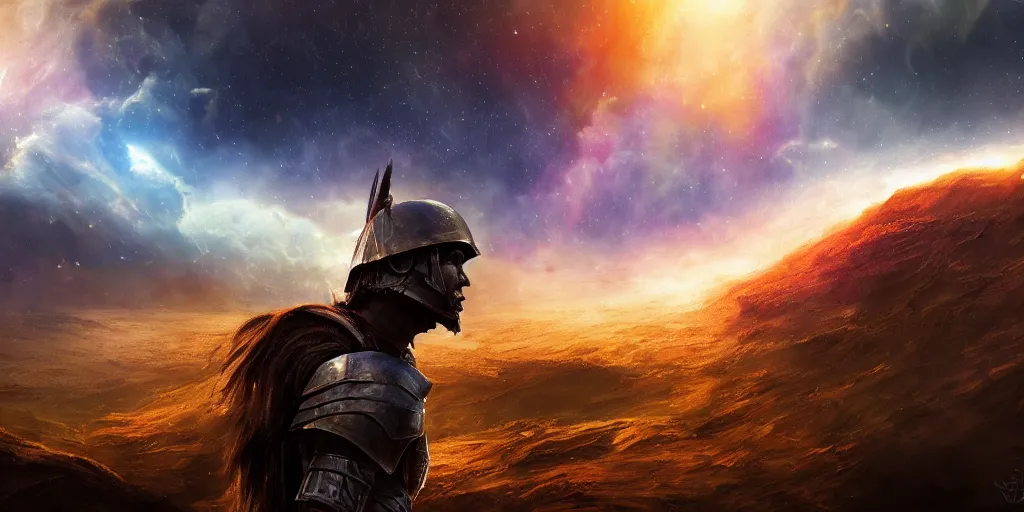
Movie art
Use of this site constitutes acceptance of our Terms of Service and Privacy Policy.This site is designed to be compliant with current web accessibility standards, however if you’re having trouble accessing any area of the site please call (212) 226-2207 or email gallery@posteritati.com.
We have artist and designer sections with info on more than 13,000 posters. Check out the great work by Drew Struzan, Saul Bass and Luigi Martinati, for example.If you are an artist or design company and want to be listed on CineMaterial don’t hesitate to contact us!
Transform your home theater, family room, or any living space into a cinematic haven with eye-catching wall art inspired by the movies you love. Whether you’re a fan of classic westerns, thrilling sci-fi, or spine-chilling horror, movie wall art adds personality and flair to your space, making it a reflection of your unique tastes. Choose from a wide selection of high-quality poster prints, featuring iconic movie scenes, memorable moments, or beloved characters. Looking for something extra? Explore photographic prints that capture legendary movie stars, iconic vehicles, or unforgettable props from your favorite films. These pieces go beyond décor; they let you relive the magic of the big screen every time you walk into the room. From timeless classics to modern blockbusters, there’s wall art to match every fan’s passion. Let your walls tell a story—your story—through the movies that have left a lasting impression on your heart. Elevate your space today with movie-themed wall art that brings your fandom to life!
Most people can appreciate the experience of going to the movies and being impacted by a work of creativity. Movies give us the opportunity to be captivated by a director’s imagination to tell an engrossing story. From comedy to drama to action to horror and more, movies have shaped the world. Art is a way to display the importance of your favorite movies to your world.
Categorised in: Uncategorized
This post was written by euro_pred_admin