

Mastering Forex Day Trading Strategies for Success 1942241266
November 5, 2025 4:53 am Leave your thoughts
Mastering Forex Day Trading: Strategies for Success
In the fast-paced world of Forex trading, day trading has emerged as a popular strategy for many traders looking for quick profits. The key to success lies in the application of effective strategies that can help traders navigate the complexities of the market. This article explores some of the most essential strategies for Forex day trading, guiding you through the nuances and techniques that can enhance your trading skills. For those interested in broadening their trading horizons, a great resource is forex day trading strategy Crypto Trading Asia, which provides insights into cryptocurrency trading that can be beneficial for Forex traders as well.
Understanding Forex Day Trading
Forex day trading involves the buying and selling of currency pairs within the same trading day. Unlike long-term trading, which requires holding positions for days, weeks, or even months, day trading capitalizes on short-term market fluctuations. The goal is to enter and exit trades quickly to capitalize on small price movements. Successful day traders are skilled at identifying trends, using technical analysis, and employing strong risk management strategies.
Key Strategies for Forex Day Trading
1. Trend Following
One of the most prevalent strategies in day trading is trend following. This involves identifying the direction of the market and making trades that align with that direction. Traders can use tools such as moving averages and trend lines to determine the prevailing trend. The idea is to buy when the market is in an uptrend and sell when it is in a downtrend. This strategy is effective in capitalizing on ongoing market momentum.
2. Scalping
Scalping is a high-frequency trading strategy where traders attempt to gain small profits from numerous trades throughout the day. Scalpers usually hold positions for just a few minutes, aiming to exploit minor price changes. This strategy requires a solid understanding of market dynamics and quick decision-making, as trades are executed rapidly. Traders often use indicators like the RSI (Relative Strength Index) or Bollinger Bands to identify entry and exit points for scalping.
3. Breakout Trading
Breakout trading is another effective day trading strategy where traders identify key support and resistance levels and place trades when the price breaks through these levels. A breakout indicates a potential significant price movement, providing traders with the opportunity to enter the market at the onset of a new trend. Traders often confirm breakouts with volume analysis to ensure the validity of the move.
4. Range Trading
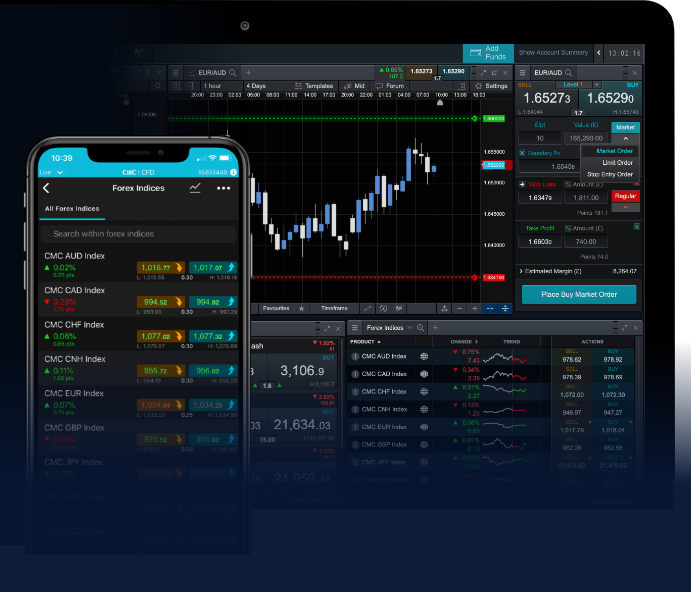
Range trading is a strategy used when a currency pair is trading within a defined range of prices. Traders seek to capitalize on the price bouncing between established support and resistance levels. During range-bound markets, the idea is to buy at the support level and sell at the resistance level. This strategy can be effective in markets that lack clear direction.
5. Momentum Trading
Momentum trading is based on the principle that securities that have been rising steadily will continue to rise, and those that have been declining will continue to fall. Traders utilizing this strategy look for stocks or currency pairs that are moving significantly in one direction on high volume. By entering into trades that align with the prevailing momentum, traders can maximize their profits as prices continue to move in the same direction.
Risk Management in Day Trading
While day trading can be lucrative, it also comes with inherent risks. Effective risk management is crucial for long-term success. Here are some crucial risk management strategies:
1. Set Stop-Loss Orders
Stop-loss orders automatically close a position at a predetermined price point, limiting potential losses. It is essential to set stop-loss orders for every trade to protect your capital from significant losses.
2. Risk-Reward Ratio
Understanding the risk-reward ratio is fundamental in day trading. Traders should aim for a minimum ratio of 1:2, meaning that for every dollar risked, they should aim to gain at least two. This ensures that even if they have a higher percentage of losing trades, they can still be profitable overall.
3. Position Sizing

Proper position sizing is critical to managing risk. Traders should determine the size of their trades based on their total capital and risk tolerance. A general rule of thumb is to risk no more than 1% of your trading capital on a single trade.
Psychology of Day Trading
Psychological factors can significantly influence trading performance. Successful day traders must develop emotional resilience and a disciplined mindset. Here are some tips for managing emotions while trading:
1. Stay Disciplined
Discipline is key to successful trading. Adhere to your trading plan and strategies, even when emotions run high. Avoid making impulsive decisions based on fear or greed.
2. Keep a Trading Journal
Documenting your trades can help identify patterns in your trading behavior. Keeping a trading journal allows you to reflect on your decisions and improve your strategies over time.
3. Take Breaks
It is essential to take breaks to maintain focus and prevent burnout. Continuous trading can lead to fatigue, impairing your decision-making abilities. Set specific times for breaks to recharge your mental capital.
Conclusion
Forex day trading can be a rewarding endeavor for those willing to learn and apply effective strategies. By understanding the key strategies, employing sound risk management practices, and honing your trading psychology, you can increase your chances of success in the market. Remember, continual education and practice are vital in this ever-evolving trading landscape. Stay committed, keep learning, and you may find yourself thriving in the world of Forex day trading.
Categorised in: trading11
This post was written by euro_pred_admin