

Mastering Gold Trading in Forex Tips and Strategies
November 2, 2025 4:44 am Leave your thoughts
Mastering Gold Trading in Forex: Tips and Strategies
Trading gold in the forex market presents lucrative opportunities for traders looking to diversify their portfolios. With its unique properties and the role it plays as a safe-haven asset, gold has garnered immense attention in the trading community. In this article, we will explore the fundamentals of trading gold in forex, the factors influencing its price, technical analysis techniques, and practical strategies that can help you succeed. For more insights and tools, consider visiting trading gold forex Platform Forex.
Understanding Gold as a Commodity
Gold is not just a shiny metal; it is a longstanding symbol of wealth and stability. In the forex market, gold is usually traded against the US dollar (XAU/USD). The value of gold can be affected by a variety of factors, including economic data releases, geopolitical events, and market sentiment. Unlike currencies, gold does not produce cash flow, making it a unique asset for traders.
Factors Influencing Gold Prices
Several key factors impact the price of gold:
- Inflation: Gold is often viewed as a hedge against inflation. When inflation rises, investors may flock to gold to preserve their purchasing power.
- Interest Rates: Lower interest rates generally promote higher gold prices, as the opportunity cost of holding gold decreases.
- Geopolitical Tensions: During uncertain times, such as wars or political unrest, gold’s status as a safe haven can drive its prices up.
- Currency Strength: The value of the US dollar inversely affects gold prices. A weaker dollar usually leads to higher gold prices.
Technical Analysis in Gold Trading
Technical analysis is a critical component of trading gold effectively. It involves analyzing price charts, patterns, and trading volumes to make informed decisions. Here are some techniques that traders commonly use:
1. Trend Lines
Trend lines help traders identify the direction of the market. A rising trend line indicates an upward momentum, while a falling trend line suggests downward momentum. Drawing these lines can help forecast future price movements.
2. Support and Resistance Levels
Identifying support and resistance levels is crucial for determining entry and exit points. Support is the price level where buying interest is strong enough to prevent the price from falling further, while resistance is where selling pressure outweighs buying interest.
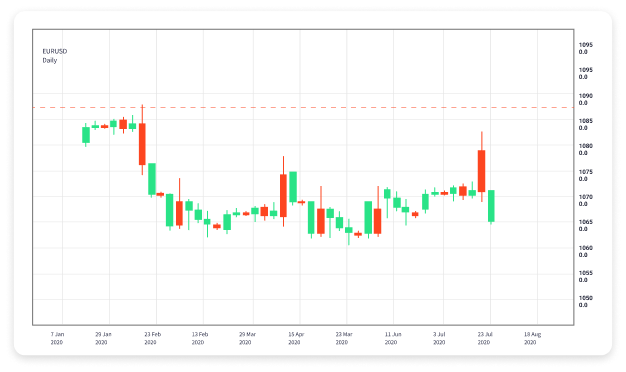
3. Moving Averages
Moving averages smooth out price data to create a trend-following indicator. The two most common types are the simple moving average (SMA) and the exponential moving average (EMA). Traders often use these averages to identify potential buy and sell signals.
Practical Strategies for Trading Gold
Having a solid trading strategy is key to success in the forex market. Here are some effective strategies tailored for gold trading:
1. Position Trading
Position trading involves holding onto your trades for an extended period, usually weeks or months. This strategy requires a strong understanding of the fundamental factors that affect gold prices. Position traders often use a combination of technical and fundamental analysis to determine the long-term outlook.
2. Day Trading
Day trading strategies involve buying and selling gold within the same trading day. This approach can be highly profitable, but it also carries significant risks. Day traders must be adept at reading charts, spotting trends, and reacting swiftly to market movements.
3. Hedging
Hedging is a strategy used to minimize potential losses. For example, if you anticipate a drop in gold prices, you could take an opposite position or use options contracts to protect your investments. This allows traders to mitigate risks while still pursuing potential profits.
Risk Management in Gold Trading
Risk management is a crucial element of any trading strategy, especially in the volatile forex market. Here are some essential tips for managing your risk when trading gold:
- Set Stop-Loss Orders: A stop-loss order helps you limit potential losses by automatically closing your position at a predetermined price.
- Use Proper Position Sizing: Determine the amount of your capital you are willing to risk on a single trade. A common rule is to risk no more than 1-2% of your trading capital on one trade.
- Stay Informed: Keep up with market news and economic indicators that can influence gold prices. Being informed can help you make better trading decisions.
Conclusion
Trading gold in the forex market can be rewarding but requires a blend of technical knowledge and market intuition. By understanding the factors that influence gold prices, employing solid technical analysis, and using effective trading strategies, you can enhance your trading performance. Always prioritize risk management to ensure long-term success in your trading endeavors. As you start or continue your journey in trading gold, remember that practice, patience, and continual learning are vital for success.
Categorised in: trading8
This post was written by euro_pred_admin